When the ground begins to tremble and the world shakes around you, the primal instinct for survival takes over. Earthquakes strike without warning, leaving chaos in their wake, but your response in those critical moments can mean the difference between life and death. This isn't about memorizing rigid steps—it's about internalizing a mindset of preparedness that becomes second nature when every second counts.
Before the earth ever groans beneath your feet, your home should be transformed into a sanctuary of safety. Walk through each room with a critical eye, searching for potential hazards. That heavy bookcase near your bed? Anchor it to the wall. Those glass frames above the sofa? Relocate them. The emergency supplies gathering dust in the garage? Bring them to an accessible place and actually check their contents. You need water—at least one gallon per person per day for three days—non-perishable food, a manual can opener, flashlight with extra batteries, first aid kit, and important documents sealed in waterproof containers. Don't forget prescription medications, spare glasses, and cash in small denominations.
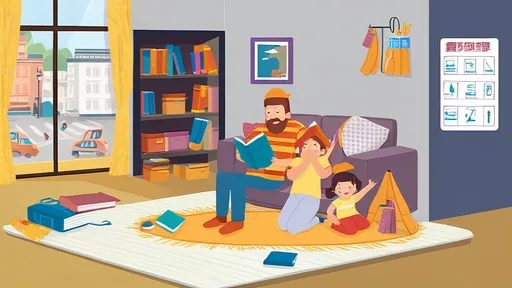
Practice dropping to the ground with your family until the motion becomes instinctual. Make cover drills a monthly ritual—sliding under sturdy tables, positioning yourselves against interior walls away from windows. Identify the safest spots in every room: under strong furniture, against inside walls, away from anything that could shatter or fall. Talk about what you'll do if separated, establish an out-of-state contact everyone can call, and choose two meeting places—one near home, another outside your neighborhood.
When the shaking begins, your body should react before your mind processes the danger. Drop immediately onto your hands and knees—this position protects you from being knocked down while allowing movement if necessary. Cover your head and neck with one arm while scrambling beneath any sturdy desk or table. If no shelter exists, press yourself against an interior wall away from windows, covering your head with your arms. Hold onto your shelter—if it moves, move with it, maintaining that protective coverage until the shaking stops completely.
Stay put until the earth grows still. The greatest danger comes from trying to move during the violent shaking when debris falls unpredictably. Don't be fooled into thinking it's over during a temporary lull; aftershocks frequently follow the main quake. Remain in your protected position for at least sixty seconds after all movement ceases. If you smell gas or see sparks, hold your breath and navigate to shut off utilities—but only if you can do so safely without passing through damaged areas.
When silence finally descends, assess your situation with deliberate calm. Check yourself for injuries before assisting others. Expect dust and debris—cover your mouth with clothing to filter particulate matter. Listen for unusual sounds: hissing gas, creaking structures, running water where it shouldn't be. Use your flashlight rather than matches or lighters in case of gas leaks. If trapped, tap rhythmically on pipes or walls rather than shouting—conserving energy and creating sounds that carry farther through rubble.
Evacuate carefully once the immediate danger passes, watching for fallen power lines, broken glass, and structural damage. Avoid using elevators—stairs provide safer exit routes even if they take longer. Take your emergency kit if accessible, but don't risk injury retrieving it. Move to open ground away from buildings, trees, and utility wires where aftershocks pose less threat. Resist the urge to immediately call loved ones—network congestion often follows disasters. Send text messages instead, which require less bandwidth and won't tie up critical emergency communications.
In the aftermath, community becomes your greatest resource. Check on neighbors, especially elderly or disabled individuals who may need assistance. Listen to battery-powered radios for official instructions rather than relying on rumors. Expect emotional turbulence—trauma affects everyone differently. Be patient with yourself and others as you navigate the recovery process. Document damage with photographs for insurance claims before beginning cleanup.
True preparedness transcends having supplies—it lives in the practiced reactions, the mental maps of your environment, the conversations had before crisis struck. Earthquakes test our resilience not just as individuals but as families and communities bound by shared experience. When the solid ground proves unreliable, we find our foundation in the preparations we made and the connections we nurtured before the world shook apart.
By /Aug 20, 2025

By /Aug 20, 2025

By /Aug 20, 2025

By /Aug 20, 2025

By /Aug 20, 2025

By /Aug 20, 2025

By /Aug 20, 2025

By /Aug 20, 2025

By /Aug 20, 2025
By /Aug 20, 2025

By /Aug 20, 2025

By /Aug 20, 2025
By /Aug 20, 2025

By /Aug 20, 2025
By /Aug 20, 2025

By /Aug 20, 2025

By /Aug 20, 2025
By /Aug 20, 2025

By /Aug 20, 2025

By /Aug 20, 2025