It happens in a flash. A splash of boiling water from the kettle, a brush against a hot oven rack, a moment of lost focus with a steaming mug. The searing, immediate pain of a burn is a uniquely shocking sensation, one that often sends our minds reeling and pushes us toward ingrained, yet dangerously incorrect, folk remedies. The kitchen, the heart of the home, becomes a sudden triage unit, and in that panicked moment, the wrong decision can turn a painful injury into a lasting problem. The single most critical piece of information to sear into your own memory is this: under no circumstances should you ever reach for a tube of toothpaste, butter, oil, or any other kitchen-counter concoction. The first sixty seconds after a burn are golden, and what you do—or do not do—will directly influence healing, pain levels, and the risk of permanent scarring.
The instinct to slap something soothing onto a fresh wound is a primal one, a desperate attempt to quell the fire raging in your nerve endings. For generations, this has led well-meaning parents and grandparents to advocate for a thick layer of cool, minty toothpaste. The logic seems sound on its surface; it feels cool, it's handy, and its texture suggests it might form a protective barrier. This, however, is a catastrophic misconception. Toothpaste is a chemical abrasive designed to scrub plaque from enamel. Its ingredients, including menthol, alcohol, and various harsh detergents, are intensely irritating to vulnerable, destroyed skin cells. Instead of cooling the burn, these chemicals can create a thermal reaction, generating more heat and driving the burn deeper into the tissue. Furthermore, slathering on a thick, paste-like substance makes it impossible for a medical professional to properly assess the severity of the wound, and scrubbing it off later to clean the area is an agonizing process that re-injures the delicate site. It is, without a doubt, one of the worst things you can do.
So, if the medicine cabinet and the kitchen pantry are both off-limits, what is the absolute first action to take? The answer is disarmingly simple, yet it must be performed correctly to be effective. Immediately and gently cool the burned area with cool (not ice-cold) running water for a full twenty minutes. This is not a quick, five-second rinse under the tap. This is a deliberate, timed, and crucial therapeutic intervention. The goal is not to freeze the skin but to halt the burning process. A burn doesn't stop damaging tissue the moment you pull your hand away from the heat source. The residual energy continues to cook the skin layers beneath the surface. Cool running water acts as a heat sink, drawing this energy out and stopping the progressive destruction. It also helps to numb the nerve endings, providing significant pain relief that no tube of toothpaste can match. Remember, use cool water. Ice or frozen packs are a dangerous alternative, as extreme cold can cause frostbite and further damage the already compromised skin, leading to a double injury.
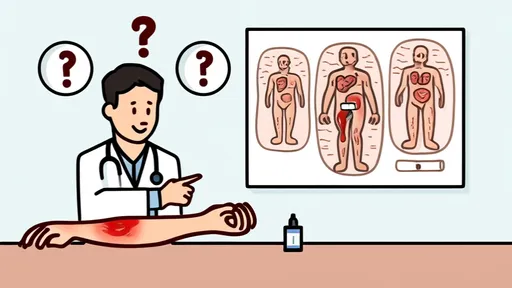
While you are performing this vital twenty-minute cool-down, it is also the time to make a swift assessment of the burn itself. Burns are medically categorized by depth, and understanding the difference will dictate your next steps. A first-degree burn, much like a common sunburn, affects only the outer layer of skin (the epidermis). It will be red, painful, and perhaps slightly swollen, but it will not blister. A second-degree burn is more serious, damaging both the epidermis and the layer beneath it (the dermis). These burns are intensely painful, moist, and will develop blisters. They carry a higher risk of infection and scarring. A third-degree burn is a severe medical emergency. It destroys both layers of skin and can damage underlying fat, muscle, and even bone. Ironically, these burns may not be painful initially because the nerve endings have been obliterated. The skin can appear white, charred, or leathery.
For first-degree burns and small second-degree burns (smaller than the size of the palm of your hand), the twenty-minute cool water treatment is often sufficient first aid. After cooling, you can gently pat the area dry with a clean, soft cloth—never rub. Covering the burn with a sterile, non-adhesive bandage or a clean piece of cloth can protect it from friction and air exposure, which can exacerbate pain. Over-the-counter aloe vera gel or a mild, fragrance-free moisturizer can provide soothing relief once the skin has completely cooled. It is imperative to watch for signs of infection in the following days: increased redness, swelling, pus, or red streaks leading from the wound.
However, there are specific circumstances where your first action after cooling the burn must be to call for emergency medical help. Do not hesitate. You must seek immediate professional care if the burn is third-degree; if it is a second-degree burn that is large or located on a critical area like the face, hands, feet, groin, buttocks, or over a major joint; if the burn is caused by chemicals or electricity; or if the person has difficulty breathing or shows signs of shock. In the case of a severe burn, while waiting for help, continue to gently run cool water over the area if possible, and cover it loosely with a clean, damp cloth. Do not attempt to remove any clothing that is stuck to the burn, and never immerse a large severe burn in water, as this can lead to a dangerous drop in body temperature.
The moments following an accident are fraught with adrenaline and panic, where old wives' tales can easily override rational thought. The image of a white stripe of toothpaste on red skin is a powerful cultural meme, but it is a symbol of misguided care. By replacing that image with the simple, life-altering practice of twenty minutes under cool, running water, you arm yourself with the only true first aid that matters. It is a quiet, patient act that requires no special tools, just presence of mind. It is the definitive first step on the path to proper healing, a path that leaves the medicine cabinet firmly closed and the toothpaste right where it belongs—on your toothbrush.
By /Aug 20, 2025

By /Aug 20, 2025
By /Aug 20, 2025

By /Aug 20, 2025

By /Aug 20, 2025

By /Aug 20, 2025

By /Aug 20, 2025

By /Aug 20, 2025
By /Aug 20, 2025
By /Aug 20, 2025

By /Aug 20, 2025

By /Aug 20, 2025
By /Aug 20, 2025

By /Aug 20, 2025

By /Aug 20, 2025
By /Aug 20, 2025

By /Aug 20, 2025

By /Aug 20, 2025
By /Aug 20, 2025

By /Aug 20, 2025