In the quiet corners of urban balconies and kitchen windowsills, a small revolution is taking root. It begins not with grand gestures or expensive equipment, but with the humble, often discarded, eggshell. This simple byproduct of breakfast is being reimagined as a charming, eco-friendly vessel for growing fresh herbs and vegetables, with scallions being a particularly popular and rewarding choice. The practice of using eggshells as miniature planters has blossomed from a niche gardening hack into a celebrated symbol of sustainable living, merging utility with a touch of whimsical creativity.
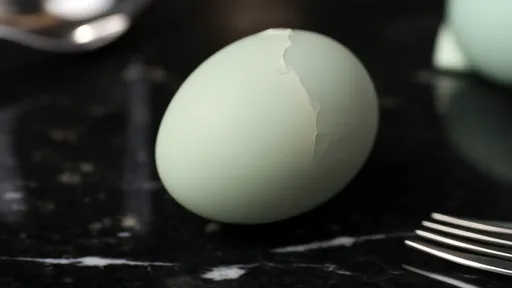
The process itself is wonderfully straightforward, a tactile and engaging activity that appeals to seasoned gardeners and curious novices alike. It starts by carefully cracking the top third of a raw egg, preserving the larger bottom portion to serve as the pot. The contents are, of course, saved for a meal, ensuring no part of the egg goes to waste. The empty shell is then gently rinsed and a small drainage hole is poked in its base with a needle or pin—a crucial step to prevent waterlogging and ensure the fledgling roots remain healthy. The shell is then filled with a light, nutrient-rich potting mix, ready to receive its tiny tenant.
For the aspiring urban farmer, scallions present an ideal first crop. Often purchased with their roots still intact, they offer a perfect opportunity for regeneration. Instead of discarding the white bulb ends after use, these sections are planted directly into the prepared eggshell. With consistent moisture and a sunny spot, vibrant green shoots will eagerly emerge from the top of the shell within days, a rapid and gratifying display of growth. Alternatively, one can start from seed, sowing a few into the soil and thinning them out as they sprout, a process that teaches patience and the delicate balance of nature.
The environmental benefits of this practice are profound and multifaceted. At its core, it is a powerful act of waste reduction. Eggshells, typically destined for the compost bin or, worse, the landfill, are instead granted an extended purpose. This directly aligns with the principles of a circular economy, where waste is minimized, and resources are kept in use for as long as possible. By repurposing this common household item, we actively decrease the demand for plastic seed starter pots, which are often used once and discarded, contributing to the planet's plastic pollution crisis.
Furthermore, the eggshell itself contributes to the health of the plant long after its role as a pot is finished. Composed primarily of calcium carbonate, the shell slowly breaks down in the soil, gradually releasing this essential nutrient. Calcium is vital for plant cell wall development and helps prevent common ailments like blossom end rot in tomatoes and peppers. When the young scallion seedling is eventually transplanted—eggshell pot and all—into a larger container or garden bed, it continues to receive a gentle, natural fertilizer from its original home, creating a completely closed-loop system with zero waste.
Beyond the tangible, practical benefits lies a deeper, more personal value. In our fast-paced, digitally saturated world, the act of nurturing a plant from a tiny seed or scrap offers a grounding connection to the natural cycles of life. It is a mindful practice, a small daily ritual of checking soil moisture and observing new growth that provides a moment of calm and focus. For families, it serves as a perfect, hands-on science lesson for children, demonstrating concepts of botany, sustainability, and responsibility in a way that is accessible and incredibly fun. The quirky, playful appearance of a line of eggshells sprouting green onions on a windowsill brings a unique and personal charm to any living space, a living decoration that is both beautiful and functional.
This movement is more than just a gardening trend; it is a statement. It demonstrates that significant environmental action does not always require large-scale, complex solutions. Sometimes, the most impactful changes begin on the smallest scale, with a conscious decision to look at what we normally consider waste and see instead a resource brimming with potential. The eggshell mini planter is a testament to human ingenuity and a desire to live in greater harmony with our environment. It empowers individuals, showing them that they have the agency to reduce their footprint and create something beautiful and nourishing, literally from the ground up—or, in this case, from the shell out.
As this practice continues to gain popularity through social media and community gardens, it fosters a sense of shared purpose and collective action. It is a simple, replicable idea that anyone can adopt, regardless of their available space or gardening experience. Each tiny eggshell garden becomes a small but potent symbol of hope and practicality, a green beacon pointing towards a more sustainable and thoughtful way of living. It proves that sustainability can be woven into the fabric of our daily lives in ways that are not only effective but also delightful, engaging, and deeply rewarding.

By /Aug 20, 2025

By /Aug 20, 2025

By /Aug 20, 2025
By /Aug 20, 2025

By /Aug 20, 2025

By /Aug 20, 2025

By /Aug 20, 2025

By /Aug 20, 2025
By /Aug 20, 2025
By /Aug 20, 2025

By /Aug 20, 2025

By /Aug 20, 2025

By /Aug 20, 2025

By /Aug 20, 2025

By /Aug 20, 2025
By /Aug 20, 2025
By /Aug 20, 2025

By /Aug 20, 2025
By /Aug 20, 2025

By /Aug 20, 2025