Get rid of flying insects at home? Just put a bowl of this and they'll vanish!

Aug 20, 2025 By

There's something uniquely frustrating about the persistent buzz of a fly or the erratic dance of a gnat in your living space. You settle in for a quiet evening, only to become an unwilling participant in a high-speed chase around the room, swatter in hand. Commercial insecticides promise a quick fix, but they often come with their own set of problems—harsh chemical odors, potential toxicity to pets and children, and a general sense of unease about spraying poison in the air you breathe. What if the solution wasn't found on a hardware store shelf, but rather, growing quietly on your windowsill or in your garden? The answer, it turns out, might be as simple and elegant as a single potted plant.


For centuries, long before the invention of synthetic chemicals, people relied on the natural world to solve everyday problems. They understood that certain plants possessed inherent properties that could repel or even eliminate pests. This wisdom, passed down through generations, is experiencing a well-deserved renaissance as more of us seek out effective, non-toxic ways to manage our homes. The idea isn't to declare chemical warfare on every insect in sight, but to create an environment that is naturally uninviting to the specific pests we find bothersome, allowing beneficial insects to thrive elsewhere.


So, which plant holds this almost mythical power to clear a room of flying nuisances? While several plants have insect-repelling qualities, one stands out for its potency, ease of care, and striking appearance: the Venus Flytrap (Dionaea muscipula). This isn't just a plant that bugs avoid; it's a plant that actively hunts them. The very name evokes a sense of drama and natural wonder, and for good reason. It’s a conversation piece, a natural pest control agent, and a fascinating biological specimen all in one.


The Venus Flytrap is a carnivorous plant native to a very small region in the Carolinas in the United States, thriving in nutrient-poor boggy soils. Over millennia, it evolved its unique trapping mechanism to supplement its diet by digesting insects, thus obtaining nitrogen and other nutrients it couldn't get from the soil. Each leaf is modified into a two-lobed trap, hinged at the midrib. The inside surfaces of these lobes are lined with sensitive trigger hairs and produce a sweet-smelling nectar to attract unsuspecting prey.


The trapping process is a marvel of natural engineering. When an insect brushes against one of the trigger hairs, the plant doesn't react immediately. It's programmed to require a second stimulation within about 20 seconds to confirm that it's live prey and not just a piece of dust or a raindrop. This prevents the plant from wasting energy on a false alarm. Once confirmed, an electrical signal triggers the trap to snap shut in a fraction of a second, its spiny edges interlocking like prison bars. The plant then secretes enzymes to digest the soft parts of the insect, a process that takes several days. After the meal is complete, the trap reopens, ready for its next victim.


Placing a healthy Venus Flytrap in a common bug entry zone—like a kitchen windowsill, near a patio door, or on a dining room table—can have a noticeable impact. It won't eradicate every single fly in your county, of course. Its impact is localized and tactical rather than strategic and whole-house. But it will diligently and silently capture the flies, gnats, and other small insects that venture too close. You’re essentially stationing a tiny, green, photosynthetic guard at a key checkpoint. There’s a profound satisfaction in watching it work, a direct and visceral connection to the natural process of predation that is far more rewarding than spraying a can of chemicals.


To be an effective flycatcher, your plant needs to be thriving. Venus Flytraps have specific needs that differ from your average houseplant. First and foremost, they demand bright, direct sunlight. A south-facing window is ideal. Without ample light, the plant will grow weak and lose its vibrant red coloration inside the traps. Secondly, they must be watered exclusively with rainwater, distilled water, or reverse osmosis water. The minerals (like calcium and chlorine) in tap water, bottled water, and even filtered water will quickly accumulate in the soil and kill the plant. The soil must be kept consistently moist at all times, but not waterlogged.


The soil mix is equally critical. They require nutrient-poor, acidic soil that mimics their natural bog habitat. A mix of sphagnum peat moss and perlite (in a 50:50 or 70:30 ratio) is perfect. Never use standard potting soil, which contains fertilizers and minerals that are fatal. They also benefit from high humidity, which can be achieved by placing the pot on a tray of wet pebbles or using a humidifier. Perhaps most importantly, never fertilize the soil or the leaves. Their roots are not adapted to absorb nutrients from the soil; they get all they need from the insects they catch. Fertilizer is poison to them.


While the Venus Flytrap is a spectacularly active solution, it's not the only botanical bodyguard available. Other plants work in a more passive, defensive manner by emitting scents that insects find offensive, effectively creating a protective barrier. Lavender, with its beautiful purple blooms and calming fragrance for humans, is highly detested by flies, moths, and mosquitoes. A pot of lavender near a doorway can help discourage insects from entering. Similarly, Basil isn't just for pesto; its strong, pungent aroma is a powerful fly and mosquito repellent. Keeping a small pot on your outdoor dining table or kitchen counter serves a dual purpose.


Citronella Grass is the source of the citronella oil used in candles and torches, and the plant itself emits a continuous, low-level aroma that masks the scents that attract mosquitoes. Marigolds release a substance called pyrethrum (used in many organic insecticides) from their roots and blooms, repelling a wide variety of pests, including whiteflies and aphids. Finally, the humble Pennyroyal plant, a member of the mint family, has a potent minty aroma that is particularly effective against fleas and flies. These plants work best when used in combination, creating a layered defense system around your home's perimeter or on frequently used patios.


Embracing plants as a solution to flying insects is about more than just pest control; it's a shift in philosophy. It’s about working with nature instead of against it. It fosters a deeper appreciation for the intricate relationships in the ecosystem, even the one inside your four walls. You become an observer, learning about the needs of these special plants and witnessing their unique behaviors firsthand. The slow, patient approach of natural pest control is a welcome contrast to the instant-but-impermanent gratification of chemical sprays.


So, the next time a fly buzzes past your ear, resist the urge to reach for the toxic spray. Consider instead investing in a small, green solution. Nurture a Venus Flytrap on your sunniest windowsill, arrange pots of lavender and basil by your doors, and line your walkway with marigolds. You'll create a home that is not only more peaceful and free of unwanted guests but also greener, more beautiful, and filled with fascinating natural life. It’s a timeless, effective, and utterly rewarding way to reclaim your space.



Recommend Posts
Life

How to Boost WiFi Signal? Avoid Placing Your Router Here!

By /Aug 20, 2025

In today's hyper-connected world, a strong and reliable WiFi signal is no longer a luxury but a necessity. Whether you're working from home, streaming your favorite shows, or simply browsing the web, a weak signal can be a source of immense frustration. Many of us instinctively blame our internet service provider or the age of our router, but the culprit is often much closer to home—literally. The physical placement of your router is arguably the single most critical factor influencing the strength and reach of your wireless network. It’s a detail often overlooked in the rush to get online, tucked away on a dusty shelf or hidden behind a stack of books. However, where you position this humble box of technology can mean the difference between seamless connectivity and a digital dead zone.
Life

Poor WiFi Signal at Home? Try These 5 Methods!"

By /Aug 20, 2025

You know that feeling when you're in the middle of an important video call, a crucial work upload, or just settling in to binge the latest hit series, and suddenly the video freezes, the audio stutters, and the dreaded buffering icon appears? It’s a modern-day frustration that can grind your productivity and leisure to a complete halt. A weak WiFi signal is more than a minor inconvenience; it's a genuine household problem in our hyper-connected world.
Life

Clothing Stained? 3 Easy Ways to Restore!

By /Aug 20, 2025

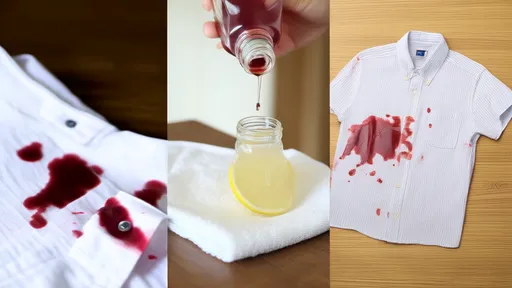
We've all experienced that heart-sinking moment when a favorite garment falls victim to an unfortunate staining incident. Whether it's a splash of red wine on a white shirt or an ink mark on denim, the panic is universal. But before you consider relegating that piece to the rag bin or mourning its loss, take a deep breath. The world of stain removal is far more nuanced and hopeful than many assume, filled with techniques that can rescue fabrics from the brink of ruin. The key lies not in a single magic solution, but in understanding the nature of the stain, the composition of the fabric, and the chemistry behind the cleaning process.
Life

How to Extend the Freshness of Fresh Flowers? Keep Beauty Lasting Longer!

By /Aug 20, 2025

There is something uniquely joyful about receiving or purchasing a fresh bouquet of flowers. The vibrant colors, the delicate textures, and the enchanting fragrances can instantly elevate the mood of any room. However, this joy is often tinged with a hint of melancholy, as we know this beauty is fleeting. Watching those once-lively petals droop and fade is a quiet disappointment. But what if you could significantly extend that window of vibrancy? The longevity of cut flowers isn't just a matter of luck; it's a science. With a deeper understanding of the biology of cut flowers and a commitment to a few crucial care steps, you can keep your floral arrangements looking fresh and beautiful for much, much longer.
Life

How to Prevent Wrinkle in Clothes While Traveling? Roll Them Up Instead of Folding!

By /Aug 20, 2025

As any seasoned traveler knows, the battle against wrinkled clothing begins the moment you unzip your suitcase. You arrive at your destination full of excitement, only to be met with a crumpled mess that looks more like a laundry pile than a vacation wardrobe. For decades, the standard method has been to neatly fold each garment, stacking them like a retail display. This technique, while orderly, is fundamentally flawed when it comes to preventing the deep-set creases that can ruin the look of your favorite outfits. The creases formed by sharp folds are pressed into the fabric for the duration of the journey, often requiring a steamy bathroom or a costly hotel pressing service to erase.
Life

What to Do If a Child Accidentally Swallows a Foreign Object? Golden 5-Minute First Aid!

By /Aug 20, 2025

As parents, few moments strike more terror than witnessing a child choke or realizing they have swallowed a foreign object. The primal fear that grips you is paralyzing, a cold dread that time is both your greatest enemy and only ally. In these critical moments, knowledge is not just power—it is salvation. The first five minutes after such an incident are universally acknowledged by medical professionals as the "golden window," a brief period where calm, decisive action can literally mean the difference between a scary story told at family gatherings and an irreversible tragedy. This isn't about medical degrees; it's about empowered parenting. It's about transforming panic into procedure.
Life

Supermarket Shopping Tips to Save You Half the Money!

By /Aug 20, 2025

Ever find yourself staring at a grocery receipt in disbelief, wondering how a simple trip to the supermarket managed to drain your wallet so thoroughly? You’re not alone. In today’s economy, grocery shopping has become one of the most significant monthly expenses for households, and without a strategic approach, it’s easy to overspend. But what if you could cut that bill in half? It might sound like a lofty promise, but with a handful of clever, insider techniques, it’s entirely achievable. This isn’t about clipping a few coupons here and there; it’s about a fundamental shift in how you view, plan, and execute your shopping. It’s about becoming a savvy consumer who outsmarts the system designed to make you spend more.
Life

How to Avoid Being Scammed When Shopping Online? Pay Attention to These Points!

By /Aug 20, 2025

Online shopping has become an integral part of modern life, offering convenience and access to a global marketplace from the comfort of our homes. However, this digital marketplace is not without its pitfalls. As more consumers turn to e-commerce, the number of deceptive practices and fraudulent schemes has also risen. Navigating this landscape requires a blend of skepticism, knowledge, and proactive measures to ensure that your shopping experience remains secure and satisfactory.
Life

How to Remove Scale from a Kettle? Vinegar Not Working?

By /Aug 20, 2025

There is a familiar frustration that brews in households worldwide when the trusty kettle starts showing signs of mineral rebellion. A chalky, stubborn film begins to coat its interior, a silent testament to the hard water flowing through our pipes. For generations, the first line of defense has been a simple pantry staple: white vinegar. We’ve all heard the advice, passed down like a family recipe. Pour in equal parts vinegar and water, bring it to a boil, let it sit, and voilà—the scale should supposedly rinse away. But what happens when this culinary champion fails to deliver? When you’re left staring into the kettle at a persistent, gritty coating that mocks your efforts? The realization dawns that the battle against limescale is more complex than a single solution.
Life

5 Taboos for Heating Food in a Microwave Oven!

By /Aug 20, 2025

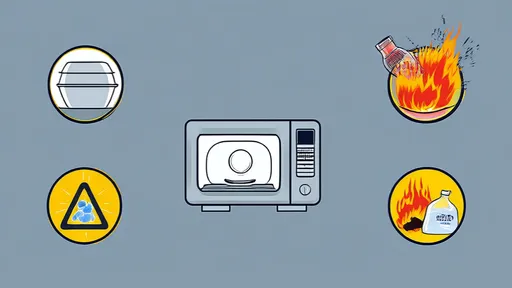
In the humming heart of every modern kitchen stands the microwave oven, a marvel of convenience that has reshaped our relationship with leftovers and quick meals. Yet, for all its speed and simplicity, this ubiquitous appliance operates on principles that are often misunderstood. The act of zapping your food is not a magic trick but a science, and ignoring its fundamental rules can lead to disappointing, and sometimes dangerous, outcomes. From culinary catastrophes to potential health risks, the path to microwave mastery is paved with crucial "don'ts" that every home chef should know.
Life

Elevator Sudden Descent: Pressing All Floors to Save Lives? The Truth Is...

By /Aug 20, 2025

It’s a scenario that has likely crossed the mind of anyone who has ever stepped into an elevator: what if it suddenly drops? The stomach-lurching thought of a free-falling elevator car is the stuff of nightmares, and it has spawned a widely circulated piece of advice that feels both intuitive and action-oriented. The myth goes like this: if your elevator begins to plummet, you can save yourself by frantically pressing every single floor button on the panel. The logic, as the story suggests, is that this will somehow engage the safety systems or "catch" the elevator on one of the floors, bringing it to a halt. It’s a compelling idea, offering a sense of control in a terrifying, uncontrollable situation. But how much of this is based on the actual engineering and safety mechanisms of a modern elevator?
Life

3 Tips to Stop Your Range Hood from Dripping Oil!

By /Aug 20, 2025

There is perhaps no more frustrating kitchen occurrence than reaching for a spatula mid-sauté only to be greeted by a cold, greasy drip from the range hood above. That dreaded drop of oil is more than just a nuisance; it's a sign that your kitchen's primary defender against grime and odor is faltering. A leaky range hood undermines its very purpose, allowing the byproducts of cooking to settle not just on its surfaces, but back onto your stove, your counters, and even your ingredients. The good news is that this common problem is almost always solvable, not with complex tools or expensive service calls, but with a deeper understanding of how your hood works and a commitment to a few key maintenance rituals.
Life

What to Do First After a Burn? Don't Use Toothpaste!

By /Aug 20, 2025

It happens in a flash. A splash of boiling water from the kettle, a brush against a hot oven rack, a moment of lost focus with a steaming mug. The searing, immediate pain of a burn is a uniquely shocking sensation, one that often sends our minds reeling and pushes us toward ingrained, yet dangerously incorrect, folk remedies. The kitchen, the heart of the home, becomes a sudden triage unit, and in that panicked moment, the wrong decision can turn a painful injury into a lasting problem. The single most critical piece of information to sear into your own memory is this: under no circumstances should you ever reach for a tube of toothpaste, butter, oil, or any other kitchen-counter concoction. The first sixty seconds after a burn are golden, and what you do—or do not do—will directly influence healing, pain levels, and the risk of permanent scarring.
Life

Get rid of flying insects at home? Just put a bowl of this and they'll vanish!

By /Aug 20, 2025

There's something uniquely frustrating about the persistent buzz of a fly or the erratic dance of a gnat in your living space. You settle in for a quiet evening, only to become an unwilling participant in a high-speed chase around the room, swatter in hand. Commercial insecticides promise a quick fix, but they often come with their own set of problems—harsh chemical odors, potential toxicity to pets and children, and a general sense of unease about spraying poison in the air you breathe. What if the solution wasn't found on a hardware store shelf, but rather, growing quietly on your windowsill or in your garden? The answer, it turns out, might be as simple and elegant as a single potted plant.
Life

What to Do in an Earthquake? Family Emergency Evacuation Guide!

By /Aug 20, 2025

When the ground begins to tremble and the world shakes around you, the primal instinct for survival takes over. Earthquakes strike without warning, leaving chaos in their wake, but your response in those critical moments can mean the difference between life and death. This isn't about memorizing rigid steps—it's about internalizing a mindset of preparedness that becomes second nature when every second counts.
Life

Don't Use a Lighter to Ignite a Gas Stove That Won't Light!

By /Aug 20, 2025

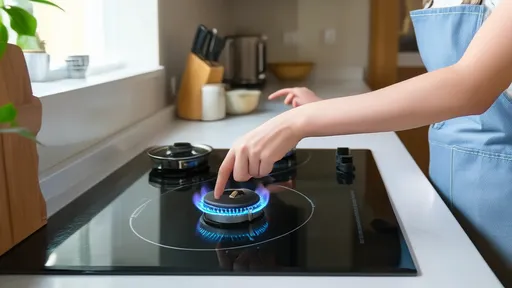
It’s a familiar scene in kitchens everywhere: you turn the knob on your gas stove, expecting the familiar whoosh and blue flame, but nothing happens. Maybe you try again. Still nothing. In a moment of frustration or haste, a seemingly simple solution might pop into your head—why not just use a lighter or a match to ignite the gas manually? It seems logical, right? The gas is there; it just needs a spark. However, this instinctual fix is one of the most dangerous mistakes a person can make in their home. The warning cannot be overstated: never, under any circumstances, use a lighter or match to try and light a gas stove that has failed to ignite.
Life

Prevent Baked Cold Noodles from Being Dry and Hard: Spray Water on Cold Noodle Sheets Before Baking for Soft and Delicious Taste

By /Aug 20, 2025

In the bustling night markets of Northeastern China, amid the sizzle of griddles and the aromatic dance of spices, one snack has captured the hearts and palates of street food aficionados: kao leng mian, or grilled cold noodles. A humble yet ingenious creation, it transforms chewy, dried cold noodle sheets into a warm, savory delight. But for many home cooks and even some street vendors, achieving the perfect texture—soft, pliable, and never dry or tough—has been an elusive goal. Enter a simple, almost magical technique: lightly spraying the dried noodles with water before grilling. This small step unlocks a world of culinary perfection, turning potential disappointment into a consistently tender, mouthwatering experience.
Life

In a high-rise fire, should you run upstairs or downstairs? 90% of people choose incorrectly!

By /Aug 20, 2025

It was just another Tuesday afternoon when the fire alarms began shrieking through the 40-story downtown high-rise. For the hundreds of people inside, the piercing sound triggered an immediate, visceral reaction: a scramble for safety. But in that chaotic moment, a critical decision had to be made, a choice that could very well mean the difference between life and death. Instinctively, the vast majority did what felt most natural—they headed for the stairwells and began to climb, moving away from the danger they believed was below them. They were, according to fire safety experts, tragically mistaken.
Life

Eggshell Mini Pots: Seeding Scallions, Eco-Friendly and Fun

By /Aug 20, 2025

In the quiet corners of urban balconies and kitchen windowsills, a small revolution is taking root. It begins not with grand gestures or expensive equipment, but with the humble, often discarded, eggshell. This simple byproduct of breakfast is being reimagined as a charming, eco-friendly vessel for growing fresh herbs and vegetables, with scallions being a particularly popular and rewarding choice. The practice of using eggshells as miniature planters has blossomed from a niche gardening hack into a celebrated symbol of sustainable living, merging utility with a touch of whimsical creativity.
Life

How Often Should You Change Your Bedding? Many People Get It Wrong!

By /Aug 20, 2025

There's a quiet revolution happening in bedrooms worldwide, and it has nothing to do with sleep technology or mattress innovations. It revolves around a simple, often neglected question: how often should we really change our bedsheets? If you're like most people, you might be squirming right now, mentally calculating the last time you stripped your bed. The truth is, a staggering number of us are getting it profoundly wrong, creating an invisible ecosystem right where we rest our heads each night.