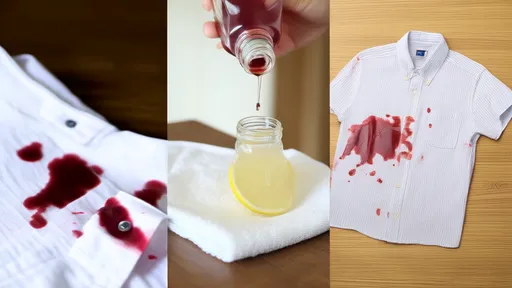
We've all experienced that heart-sinking moment when a favorite garment falls victim to an unfortunate staining incident. Whether it's a splash of red wine on a white shirt or an ink mark on denim, the panic is universal. But before you consider relegating that piece to the rag bin or mourning its loss, take a deep breath. The world of stain removal is far more nuanced and hopeful than many assume, filled with techniques that can rescue fabrics from the brink of ruin. The key lies not in a single magic solution, but in understanding the nature of the stain, the composition of the fabric, and the chemistry behind the cleaning process.
The initial reaction to a fresh stain is crucial. Acting quickly can often mean the difference between a full recovery and a permanent mark. The first and most important step is to gently blot away any excess substance. For liquid spills, use a clean, absorbent cloth or paper towel to soak up as much as possible without rubbing. Rubbing is the enemy here; it grinds the stain deeper into the fibers and can spread it over a larger area, making the problem significantly worse. For solid or semi-solid stains, carefully scrape off the excess material with a blunt knife or spoon. This immediate response addresses the surface-level problem, buying you time to prepare a proper treatment strategy without the stain setting in further.
Once the excess is removed, your next move should be to identify the stain type. This is a critical diagnostic step. Protein-based stains, such as those from blood, milk, or eggs, require cold water. Hot water will cook the protein, causing it to bind permanently to the fabric fibers. Tannin stains, from coffee or tea, often respond well to warm water and detergent. Oil-based stains, like grease or makeup, need a solvent to break them down. Dye-based stains, such as from fruit juice or ink, are among the trickiest and often demand a more targeted approach. Misidentifying the stain can set it permanently, so when in doubt, always start with the gentlest method—cold water and a mild detergent—on a hidden area of the garment first to test for colorfastness.
For a vast majority of common stains, a combination of liquid dish soap and hydrogen peroxide forms a powerful yet gentle cleaning duo. The dish soap, particularly a clear variety like Dawn, is designed to cut through grease and oil, breaking the surface tension that binds the stain to the fabric. Hydrogen peroxide acts as a mild, fabric-safe bleaching agent that attacks the color molecules of the stain without the harshness of chlorine bleach, which can damage fibers and remove dye from the garment itself. To use this method, create a mixture of one part dish soap to two parts hydrogen peroxide. Using a clean cloth or an old toothbrush, gently work the solution into the stain, working from the outside inward to prevent spreading. Allow it to sit for at least thirty minutes, or even overnight for stubborn marks, before laundering as usual. This combination is remarkably effective on a wide range of organic stains.
Another household hero for stain removal is white vinegar. Its acidity makes it excellent for neutralizing and breaking down a variety of compounds, particularly alkaline stains like those from perspiration or soap scum. It's also a fantastic odor neutralizer. For a vinegar soak, create a solution of one part white vinegar to four parts cold water in a basin or sink. Submerge the stained portion of the garment and let it soak for at least an hour. After soaking, gently rub the fabric together to help loosen the stain. If the stain persists, you can create a thicker paste by mixing vinegar with baking soda or a bit of laundry detergent to form a scrub that can be applied directly to the spot. The fizzing action helps to lift the stain from the fibers. Rinse thoroughly with cold water after treatment. It's a versatile, inexpensive, and eco-friendly option that deserves a permanent spot in your laundry room.
When commercial stain removers or simple home solutions fail to make a dent, it might be time to consider the power of oxygen-based bleach, commonly known as OxiClean or its generic equivalents. Unlike chlorine bleach, which is a harsh chemical that removes color and can weaken fibers, oxygen bleach is made from sodium percarbonate. When dissolved in water, it releases hydrogen peroxide and soda ash, creating a bubbling action that lifts stains gently and safely for most colored fabrics. It is exceptionally effective on organic stains, dinginess, and even some old, set-in stains that other methods can't touch. To use it, dissolve the powder in warm water according to package directions, then submerge the garment for a soak that can last several hours or even overnight. Always check the care label first, as it is not suitable for some delicate fabrics like silk or wool. This method often revives items that seem destined for the trash, restoring brightness and removing stains that have survived multiple washes.
After treating any stain, the final step is always a proper wash. This step is non-negotiable, as it serves to rinse out all the cleaning agents and the dissolved stain remnants you've worked so hard to loosen. Check the garment's care label for washing and drying instructions. Wash it in the recommended water temperature with your regular detergent. Perhaps the most critical mistake people make at this stage is using the dryer before confirming the stain is completely gone. The heat from a dryer will bake any remaining stain residue into the fabric, making it permanent. Always air-dry the garment after washing so you can inspect it. If the stain is still visible, you can repeat the treatment process without the risk of heat setting it. Only once the stain has vanished entirely should you tumble dry as usual.
Stain removal can feel like a high-stakes battle against time and chemistry, but with a calm approach and the right knowledge, it's a battle you can often win. The most powerful tools are often already in your pantry or under your sink, waiting for their moment to shine. By understanding the why behind the methods—why cold water for protein, why vinegar for alkali—you empower yourself to tackle not just the common spills but the unexpected disasters with confidence. So the next time an accident happens, remember it's not necessarily the end for that piece of clothing. It might just be the beginning of a successful rescue mission.

By /Aug 20, 2025

By /Aug 20, 2025
By /Aug 20, 2025

By /Aug 20, 2025

By /Aug 20, 2025

By /Aug 20, 2025

By /Aug 20, 2025

By /Aug 20, 2025
By /Aug 20, 2025
By /Aug 20, 2025

By /Aug 20, 2025

By /Aug 20, 2025

By /Aug 20, 2025

By /Aug 20, 2025

By /Aug 20, 2025

By /Aug 20, 2025

By /Aug 20, 2025

By /Aug 20, 2025
By /Aug 20, 2025

By /Aug 20, 2025