In the humming heart of every modern kitchen stands the microwave oven, a marvel of convenience that has reshaped our relationship with leftovers and quick meals. Yet, for all its speed and simplicity, this ubiquitous appliance operates on principles that are often misunderstood. The act of zapping your food is not a magic trick but a science, and ignoring its fundamental rules can lead to disappointing, and sometimes dangerous, outcomes. From culinary catastrophes to potential health risks, the path to microwave mastery is paved with crucial "don'ts" that every home chef should know.
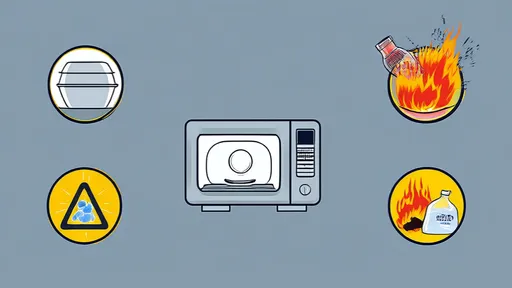
Perhaps the most visually dramatic and hazardous mistake one can make involves metal. We've all seen the viral videos of sparking forks and fiery aluminum foil, but the science behind it is worth understanding. A microwave oven works by emitting non-ionizing radiation that excites the water molecules within food, causing them to vibrate and generate heat. Metal, being an excellent conductor of electricity, reacts very differently. The microwaves induce electrical currents in the metal object. If the metal has sharp edges, thin points, or crinkled surfaces—like the tines of a fork or a piece of crumpled foil—these currents can become concentrated, leaping across gaps as dramatic sparks or arcs of electricity. This doesn't just pose a fire risk; it can also severely damage the magnetron, the very component that generates the microwaves, leading to a costly repair or replacement. The only safe metals are those specifically designed for microwave use, like the shielded racks that come with some models, which are smooth, rounded, and engineered to distribute energy safely.
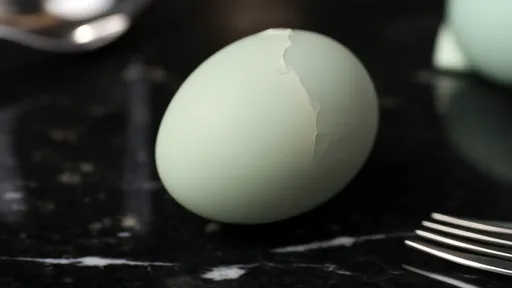
Moving from the dangerous to the simply disastrous, heating certain foods can lead to explosive results. The classic example is a whole, uncracked egg. As microwaves rapidly heat the moisture inside the egg, it turns to steam. The shell and the membrane inside act as a pressure cooker, trapping that expanding steam with nowhere to go. The pressure builds and builds until it exceeds the structural integrity of the egg, resulting in a spectacular and messy detonation. This can happen inside the microwave, requiring a thorough cleaning, or even more dangerously, after you've taken the egg out, potentially causing serious burns. The same principle applies to foods with tight skins or membranes, like whole potatoes, sausages, or chestnuts. Always pierce these items several times with a fork or knife before heating to create vents for the steam to escape safely.
A more insidious risk lies in the uneven heating that microwaves are notorious for. Because the energy penetrates food to a certain depth, it can create "hot spots" while leaving other areas cold. This is particularly perilous when reheating liquids like water, coffee, or soup. It's possible for a liquid to be heated beyond its boiling point without showing the typical signs of bubbling. This superheated liquid is unstable. The slightest disturbance—moving the cup, dropping in a spoon, or a sugar cube—can trigger a violent eruption, flashing into steam and scalding anyone nearby. To prevent this, always place a non-metallic object, like a wooden stir stick or a microwave-safe spoon, in the cup during heating. This provides a nucleation point for bubbles to form gently. Furthermore, always stir liquids thoroughly after heating to evenly distribute the temperature and let them stand for a minute to allow the heat to equalize.
The containers we choose are just as important as the food inside them. Not all plastics are created equal, and subjecting the wrong kind to high heat is a recipe for contaminating your meal. Many plastics contain chemical compounds like BPA and phthalates, which are used to make them flexible and durable. When heated, these chemicals can leach out of the plastic and into your food. To avoid this, only use containers explicitly labeled as "microwave-safe." These are tested to ensure they won't warp, melt, or leach chemicals at high temperatures. When in doubt, glass or ceramic containers are always a safer bet. Similarly, avoid heating anything in styrofoam or cheap takeout containers, as they can easily melt and release harmful substances into your lunch.
Finally, a cardinal sin of microwaving is simply walking away and forgetting about your food. The "set it and forget it" approach might work for an infomercial rotisserie, but it's a surefire way to ruin a meal in the microwave. Because heating is so rapid, a difference of just fifteen seconds can turn a perfectly reheated plate of pasta into a dried-out, rubbery mess or transform a saucy curry into a splattering, hardened brick. More importantly, underheating is a major food safety concern. Food must be heated to a temperature high enough to kill harmful bacteria, and cold spots can allow pathogens to survive. The best practice is to stay nearby, observe, and pause to stir or rotate the food at least once during the cycle. This ensures even cooking and allows you to stop the process the moment your food is perfectly hot.
Mastering your microwave is less about following a rigid list of rules and more about respecting the physics at play. It is a powerful tool for modern living, but its convenience should never overshadow the need for mindful use. By understanding why metal arcs, why eggs explode, and why liquids can erupt, we move from simply operating an appliance to using it intelligently and safely. This knowledge transforms the microwave from a mysterious black box into a reliable kitchen ally, ensuring that every reheated meal is not only quick and convenient but also delicious and, above all, safe.
By /Aug 20, 2025

By /Aug 20, 2025
By /Aug 20, 2025

By /Aug 20, 2025
By /Aug 20, 2025

By /Aug 20, 2025
By /Aug 20, 2025

By /Aug 20, 2025
By /Aug 20, 2025
By /Aug 20, 2025

By /Aug 20, 2025
By /Aug 20, 2025
By /Aug 20, 2025

By /Aug 20, 2025

By /Aug 20, 2025
By /Aug 20, 2025
By /Aug 20, 2025

By /Aug 20, 2025
By /Aug 20, 2025

By /Aug 20, 2025