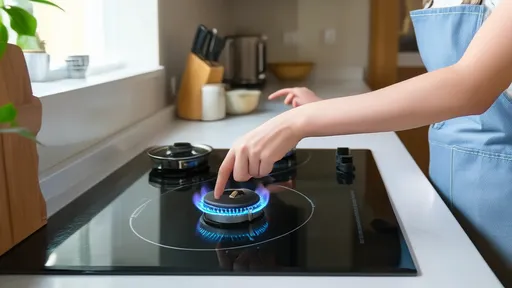
It’s a familiar scene in kitchens everywhere: you turn the knob on your gas stove, expecting the familiar whoosh and blue flame, but nothing happens. Maybe you try again. Still nothing. In a moment of frustration or haste, a seemingly simple solution might pop into your head—why not just use a lighter or a match to ignite the gas manually? It seems logical, right? The gas is there; it just needs a spark. However, this instinctual fix is one of the most dangerous mistakes a person can make in their home. The warning cannot be overstated: never, under any circumstances, use a lighter or match to try and light a gas stove that has failed to ignite.
The primary and most terrifying risk is a flash fire or explosion. When you turn the stove knob, gas begins to flow out of the burners. If the ignition system fails, that gas doesn’t just disappear. It accumulates. It fills the space under your stove’s grate, it seeps into the burner caps, and it begins to dissipate into the air around your appliance. Natural gas and propane are mixed with odorants specifically to make them smell like rotten eggs—a warning signal you should never ignore. This smell means combustible fuel is saturating the area. If you introduce an open flame from a handheld device into this environment, you are not igniting a controlled burner; you are igniting a cloud of gas. The result isn't a gentle flame; it's a violent, instantaneous fireball that can engulf your entire stovetop, causing severe burns to your hands, arms, and face, and potentially setting your kitchen ablaze.
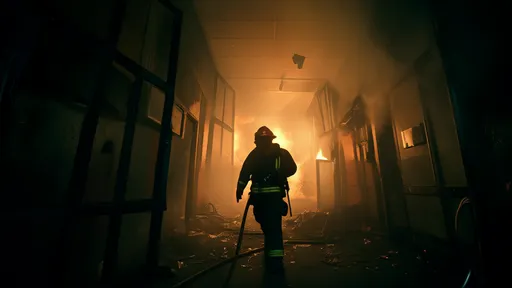
Beyond the immediate fireball, the secondary effects are just as catastrophic. The explosion can shoot burning gas outwards, catching nearby flammable materials on fire instantly. This includes curtains, paper towels, wooden utensil holders, plastic containers, and even your clothing. Your hair can catch fire in a split second. The force of the ignition can also shatter glass cooktop surfaces or blow the metal burner caps off with dangerous force, turning them into projectiles. The damage is never contained to just the stove; it rapidly escalates, turning a simple malfunction into a life-threatening household disaster.
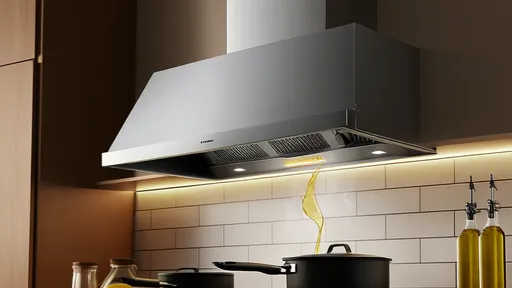
So, if a lighter is off the table, what should you do when your stove won’t light? The correct procedure is methodical and prioritizes safety above all else. Your first and most critical step is to immediately turn off the gas. Turn the control knob on the stove firmly to the "Off" position. Do not just turn it slightly; ensure it is completely off to stop the flow of gas. Your next move is to ventilate the area. Open all nearby windows and turn on your kitchen’s exhaust fan to its highest setting. You need to actively clear the accumulated gas from the air. Do not turn on or off any light switches or unplug any appliances, as a small electrical arc from the switch could serve as an ignition source.
Once the immediate danger has been mitigated and the gas smell has completely dissipated, you can begin some basic troubleshooting. Often, the issue is something simple and safe to check. The most common culprit is a clogged burner port. Over time, food spills, grease, and debris can block the tiny holes where the gas and flame are supposed to emerge. After ensuring the gas is off and the stove is completely cool, carefully lift off the burner grate and cap. Inspect the small holes around the base of the burner. You can use a pin, a needle, or a piece of stiff wire to gently clear any obstructions. A can of compressed air can also be effective for blowing out loose debris.
Another frequent issue is a wet ignition system. If you’ve recently boiled over a pot or deep-cleaned your stove, moisture can short out the electric igniter. You might hear a clicking sound, but no spark will jump because the electricity is grounding through the water. The solution here is simple: time. Turn off the power to the stove at the circuit breaker for safety, then thoroughly dry all components around the burner—the igniter, the cap, and the grate—with a soft cloth. Allow everything to air dry completely for a few hours before attempting to use the stove again.
For older stoves with a standing pilot light, the problem might be that the small, always-on flame has gone out. Relighting a standing pilot light is a specific procedure outlined in your stove’s manual. It typically involves holding down a gas control knob while using a long-reach lighter designed specifically for this purpose to ignite the pilot assembly. The key difference here is that you are lighting a dedicated, contained port designed for a tiny flame, not the main burner where gas has been accumulating. Even this should be done with extreme caution and only if you are confident and have read the instructions.
Sometimes, the problem is more serious and points to a faulty component. If you’ve cleared the ports, dried the igniter, and the stove still fails to light, the issue could be a dead igniter switch, a faulty control module, or a malfunctioning safety valve. These are not problems for a homeowner to fix. This is when you must call a professional. A certified and licensed appliance repair technician has the tools, knowledge, and experience to diagnose and repair these issues safely. They understand the gas and electrical systems and can ensure the repair is done without creating a new hazard. The cost of a service call is insignificant compared to the potential cost of a DIY repair gone wrong.
Understanding why the stove failed in the first place is key to prevention. Regular maintenance is your best defense. Make a habit of cleaning your burners and the area around them after they have cooled to prevent grease and food buildup. Be mindful of spills and clean them up promptly. Every few months, perform a more thorough cleaning, removing the grates, caps, and even the base of the burners if possible for a deep clean. This not only ensures a reliable ignition but also promotes efficient burning, which saves you money on your gas bill.
The convenience of a gas stove comes with an inherent responsibility to respect the power of the fuel it uses. That rotten egg smell is a built-in alarm system. Heed its warning. The few minutes saved by taking a dangerous shortcut are not worth a lifetime of regret. The simple act of reaching for a lighter instead of the knob to turn off the gas has led to countless preventable tragedies. Empower yourself with the right knowledge and the patience to handle the situation correctly. Your safety, and the safety of your home and family, depends entirely on that one crucial decision you make when the flame doesn’t appear.
By /Aug 20, 2025

By /Aug 20, 2025

By /Aug 20, 2025

By /Aug 20, 2025

By /Aug 20, 2025

By /Aug 20, 2025

By /Aug 20, 2025

By /Aug 20, 2025

By /Aug 20, 2025
By /Aug 20, 2025

By /Aug 20, 2025
By /Aug 20, 2025
By /Aug 20, 2025

By /Aug 20, 2025

By /Aug 20, 2025
By /Aug 20, 2025

By /Aug 20, 2025
By /Aug 20, 2025

By /Aug 20, 2025

By /Aug 20, 2025