There is something uniquely joyful about receiving or purchasing a fresh bouquet of flowers. The vibrant colors, the delicate textures, and the enchanting fragrances can instantly elevate the mood of any room. However, this joy is often tinged with a hint of melancholy, as we know this beauty is fleeting. Watching those once-lively petals droop and fade is a quiet disappointment. But what if you could significantly extend that window of vibrancy? The longevity of cut flowers isn't just a matter of luck; it's a science. With a deeper understanding of the biology of cut flowers and a commitment to a few crucial care steps, you can keep your floral arrangements looking fresh and beautiful for much, much longer.
The journey to prolonged freshness begins the moment you get your flowers home. This initial handling is critical and sets the stage for everything that follows. Before you even think about arranging them in a vase, your flowers need a good, long drink. The first and most crucial step is to re-cut the stems. Using a sharp pair of pruning shears or a very sharp knife, cut about one to two inches off the bottom of each stem. This is not a trivial step. When flowers are cut, their stems can develop air bubbles or become sealed over with a natural sap, which creates a blockage that prevents water uptake. By making a fresh cut, you are opening up the vascular system of the plant, much like unkinking a hose, allowing it to drink water efficiently once again. Crucially, always make this cut at a 45-degree angle. An angled cut provides a larger surface area for water absorption and prevents the stem from sitting flat on the bottom of the vase, which would again block water intake.
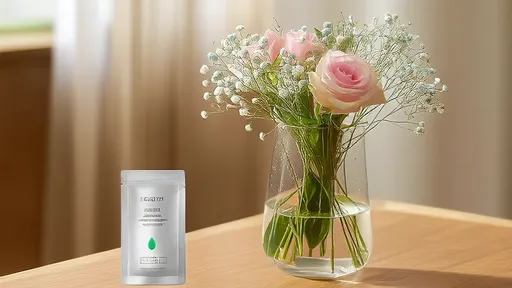
Once the stems are properly prepared, the choice of vessel and water becomes paramount. Always use a impeccably clean vase. This cannot be overstated. Bacteria are the number one enemy of cut flowers, rapidly multiplying in dirty water and clogging the freshly cut stems, leading to a swift demise. Wash your vase with hot, soapy water and a good scrub brush to eliminate any lingering microbial life from previous arrangements. The water itself should be lukewarm, as most flowers absorb warm water more efficiently than ice-cold water. Many florists also recommend using flower food, and you should too. Those little packets that come with bouquets are not a gimmick; they contain a precise mixture of carbohydrates to nourish the flower, acidifiers to lower the water's pH (making it easier for the flower to uptake water and inhibiting bacterial growth), and biocides to kill off microbes. If you don't have a commercial packet, you can make a DIY version. A common recipe is a mixture of one part citrus soda (not diet), one part water, and a few drops of household bleach. The soda provides sugar and acid, while the bleach acts as the antimicrobial agent.
The placement of your floral masterpiece within your home plays a surprisingly significant role in its lifespan. Flowers are living entities, and they react strongly to their environment. To keep them happy, avoid extreme conditions. Keep your vase away from direct sunlight, which will cause the flowers to wilt and overheat. Similarly, keep them away from heating or cooling vents, radiators, fireplaces, and even the top of televisions or appliances that generate heat. The constant blast of hot or cold air will dehydrate them rapidly. Also, avoid placing your arrangement near a fruit bowl. This is a little-known but vital tip. As fruit ripens, it emits ethylene gas, a natural plant hormone that accelerates the aging process in flowers, causing petals to drop and blooms to open and fade prematurely.
Your work is not done after the initial setup. Consistent daily maintenance is the key to unlocking extra days, or even weeks, of beauty. Make it a habit to check the water level in the vase every day. Flowers can be surprisingly thirsty, especially in the first couple of days. Top it off with fresh, lukewarm water as needed. Every two to three days, however, a complete water change is necessary. Do not just top it off. Carefully remove the flowers, pour out the old water, and thoroughly wash the vase to remove any bacterial slime. Before placing the flowers back in the clean vase with fresh, treated water, take a moment to re-trim the stems once more. Just a half-inch cut will reopen any vessels that may have started to seal. This is also the perfect time to remove any leaves or petals that have fallen below the waterline, as submerged foliage will rot and become a breeding ground for bacteria, contaminating the fresh water instantly.
Different flowers sometimes have unique needs, and tailoring your care can yield even better results. Woody-stemmed flowers like lilacs, hydrangeas, or roses can benefit from having the bottom inch of their bark gently scraped away with a knife after cutting, further aiding water uptake. For milky-sapped flowers like poppies or euphorbia, searing the cut end with a flame for a few seconds can prevent the sap from sealing the stem. Hydrangeas are notorious for being thirsty; some experts even recommend submerging the entire flower head in cool water for an hour as a revival technique if they begin to wilt. Researching the specific needs of the flowers in your bouquet can give you an extra edge.
Ultimately, extending the life of your cut flowers is a rewarding practice that blends simple preparation with diligent ongoing care. It is a mindful ritual that allows you to actively participate in preserving a piece of natural beauty. By understanding the science behind their needs—providing a clean environment, a constant supply of clean water and nutrients, and a safe place away from environmental stressors—you are not just keeping flowers in a vase. You are sustaining a living work of art. The extra days of color and fragrance you gain are a direct result of your attention and effort, making the enjoyment of your bouquet that much more profound and satisfying.

By /Aug 20, 2025

By /Aug 20, 2025
By /Aug 20, 2025
By /Aug 20, 2025

By /Aug 20, 2025

By /Aug 20, 2025

By /Aug 20, 2025

By /Aug 20, 2025
By /Aug 20, 2025

By /Aug 20, 2025

By /Aug 20, 2025

By /Aug 20, 2025

By /Aug 20, 2025
By /Aug 20, 2025

By /Aug 20, 2025

By /Aug 20, 2025
By /Aug 20, 2025

By /Aug 20, 2025
By /Aug 20, 2025

By /Aug 20, 2025